Best Alternative Investments for High-Income Earners in 2026
There’s a problem most high-income earners run into that nobody really talks about.
Your income grows faster than your investment strategy.
You max out your 401(k). You invest in stocks. Maybe you buy a rental property.
It works — but it’s not intentional.
Alternative investments exist to solve that.
They give you:
- More control
- More diversification
- More cash flow
- Less dependence on one income stream
And for high-income earners, they’re not optional — they’re necessary.
Why High-Income Earners Benefit Most from Alternatives
1. Your tax situation changes the game
At higher income levels, taxes eat a significant portion of your returns.
Many alternative investments offer:
- Depreciation (real estate)
- Pass-through income
- Capital gains advantages
Your after-tax return becomes much more efficient.
2. You can access opportunities most people can’t
Many high-quality investments require:
- $50K–$250K minimums
- Accredited investor status
Most people can’t access them.
You can.
3. You can handle illiquidity
Locking up capital for years is a risk for most people.
For high earners — it’s an advantage.
Illiquidity often = higher returns.
A Simple Framework Before Choosing
Before picking investments, think in 3 ways:
Income vs Appreciation
- Cash flow (monthly income)
- Or long-term growth
Operator vs Passive
- Do you run it?
- Or is it fully managed?
Liquidity
- Can you exit anytime?
- Or is capital locked up?
The goal isn’t just diversification.
It’s intentional allocation.
The Best Alternative Investments in 2026
1. Private Equity & Venture Capital
Type: Appreciation
Liquidity: Low
Involvement: Passive
You invest in private companies before or during growth.
Pros:
- High upside potential
- Access to elite opportunities
Cons:
- 5–10 year lockups
- No cash flow
- High variability
Best for:
Long-term capital you don’t need access to
2. Real Estate (Direct or Syndicated)
Type: Income + Appreciation
Liquidity: Medium–Low
Involvement: Medium–High
Traditional and proven.
Pros:
- Monthly cash flow
- Tax advantages
- Tangible asset
Cons:
- Time-intensive (unless outsourced)
- Illiquid
- Large capital required
Best for:
Investors who want real estate exposure without full reliance on markets
3. REITs (Real Estate Investment Trusts)
Type: Income
Liquidity: High
Involvement: None
Publicly traded real estate exposure.
Pros:
- Passive
- Liquid
- Consistent dividends
Cons:
- Taxed as income
- Market volatility
Best for:
Easy, hands-off real estate exposure
4. Managed eCommerce Stores (Amazon Automation)
Type: Cash Flow
Liquidity: Medium
Involvement: 99% outsourced
A managed Amazon store is:
- Owned by you
- Operated by a team
- Generating monthly profit
Pros:
- Monthly income
- Fully managed
- Lower capital barrier (~$30K+)
- Scalable digital asset
Cons:
- Operator quality matters significantly
- Requires due diligence
Best for:
High-income professionals who want income without time commitment
5. Business Ownership / Acquisition
Type: Income + Appreciation
Liquidity: Low
Involvement: High (or outsourced)
Owning or acquiring businesses.
Pros:
- High upside
- Strong cash flow potential
Cons:
- Requires time or management
- Operational complexity
Best for:
Investors willing to be involved or hire operators
6. Hedge Funds / Liquid Alternatives
Type: Mixed
Liquidity: Medium–High
Involvement: None
Professionally managed strategies.
Pros:
- Diversification
- Advanced strategies
Cons:
- Fees (2/20 typical)
- Mixed performance
Best for:
Portfolio diversification, not core allocation
7. Commodities & Gold
Type: Appreciation
Liquidity: High
Involvement: None
Used as a hedge.
Pros:
- Inflation protection
- Portfolio balance
Cons:
- No cash flow
- Volatility
Best for:
5–15% allocation for protection
8. Angel Investing / Startups
Type: Appreciation
Liquidity: Very Low
Involvement: Optional
Investing in early-stage companies.
Pros:
- Massive upside potential
Cons:
- High failure rate
- Long timelines
Best for:
Experienced investors with diversified capital
How to Build an Alternative Portfolio
Step 1: Build a cash flow base
Start with:
- Managed eCommerce
- Real estate
- REITs
This reduces reliance on your job.
Step 2: Add long-term growth
Then layer in:
- Private equity
- Venture
- Business ownership
Step 3: Keep liquidity
Maintain flexibility with:
- Stocks
- REITs
- ETFs
Step 4: Diversify operators
Not just assets — who runs them matters.
Common Mistakes to Avoid
- Treating all alternatives the same
- Chasing high “guaranteed” returns
- Staying too concentrated in stocks
- Locking too much capital in illiquid assets
The Bottom Line
Alternative investments aren’t about being different.
They’re about being intentional.
For high-income earners, the goal is:
- Cash flow
- Ownership
- Diversification
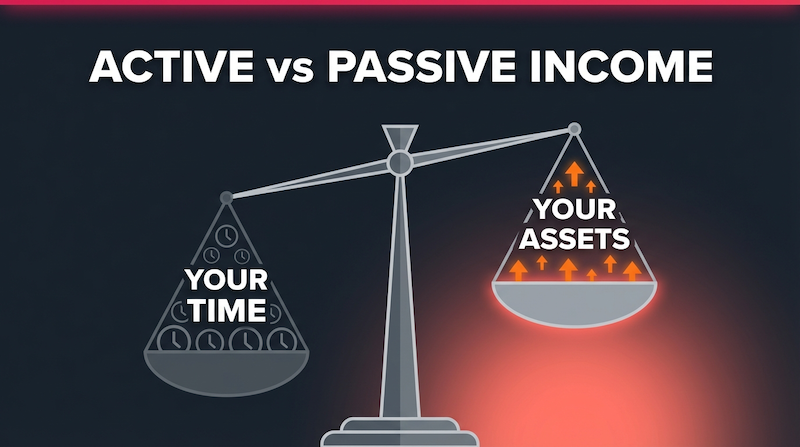
- Reduced dependence on active income
The right mix changes everything.
Build a Cash-Flowing Asset With Elite Automation
If you’re looking to add a cash-flowing digital asset to your portfolio without taking on another job, managed eCommerce is one of the most practical entry points.
At Elite Automation, we build and operate fully managed Amazon stores designed to:
- Generate monthly net profit
- Be fully outsourced
- Sit alongside real estate and market investments
- Scale over time
You own the asset. We run the operations.
→ Book a call with Elite Automation to see how this fits into your portfolio.